10 agosto 2012

Numero Unos - A survey of the top hit films: 2000s

Vi segnalo l'articolo Numero Unos - A survey of the top hit films: 2000s, di Rajiv Vijayakar, pubblicato da Bollywood Hungama il 6 agosto 2012. Parliamo degli anni che vanno dal 2000 al 2009. Difficile decretare il numero uno del decennio, dal momento che 3 idiots (2009) è sì il primo e unico - ad oggi - membro del favoloso 200 crore club (1 crore = 10.000.000), ma, sulla base di alcuni fattori (inflazione, differenza nel prezzo del biglietto, eccetera), sembra che Gadar (2001), distribuito oggi, ne avrebbe incassati 350! Comunque sia, nel 2008 Ghajini apre le danze inaugurando il 100 crore club. Anche solo dall'analisi dei titoli campioni d'incassi si ricava la caratteristica tipica della filmografia del decennio, soprattutto della seconda parte: un notevole balzo in avanti nei budget, nelle strategie, nelle ambizioni crossover e nella qualità tecnica, ma anche l'affermazione di una nuova cinematografia indipendente e d'autore che riesce persino ad influenzare molti prodotti e registi di intrattenimento. Le distinzioni si sgretolano. Le aziende si sostituiscono ai produttori singoli limitando (almeno si spera) il campo d'azione degli investimenti mafiosi. Il pubblico apprezza generi vari e non solo il tradizionale masala: l'horror Raaz è il campione d'incassi nel 2002, la pellicola fantascientifica Koi... Mil Gaya lo è nel 2003 (ex aequo con Munna Bhai M.B.B.S.), il thriller erotico Murder sbaraglia tutti nel 2004. Sono gli anni del fascinoso Hrithik Roshan (Kaho Naa... Pyaar Hai, 2000; Koi... Mil Gaya, 2003; Dhoom:2 - Back in Action, 2006). Ma anche Aamir Khan non scherza con Ghajini (2008) e 3 idiots (2009).

'The Top Guns
In terms of footfalls, it was a clear-cut triumph for Anil Sharma's Gadar - Ek Prem Katha (2001), a Sikh-Muslim love story set against the backdrop of Partition - its 75 crore-plus collections, inflation adjusted, would probably reach around Rs 350 crore today. It started the trend of round-the-clock shows to meet demands in Punjab! However, in terms of actual collections (as ticket rates had been hiked by multiples) Rajkumar Hirani's 3 Idiots (2009), a comedy with a message leads at Rs 220 crore. The millennium also saw the first-ever 100 crore film, A.R. Murugadoss' 2008 vendetta thriller Ghajini
Corporate companies entered the film world and gradually replaced more personalized financing, including that of the underworld. What was interesting, with big prestige involved, is the way the smaller films that had greater ROI (return on investment) ratios were sidelined due to the huge overall business of the biggies. So though Murder, an erotic thriller directed by Anurag Basu, was rightly called the biggest hit of 2004 despite Main Hoon Na and Dhoom, a year later in 2005, Kyaa Kool Hai Hum lost to No Entry (both were interestingly sex comedies, though of contrasting kinds), while in 2008, Jaane Tu... Ya Jaane Na (a rom-com) made way for Ghajini (interestingly both connected with Aamir Khan as co-producer of the first and hero of the second!) as the latter collected over 110 crore - the first-ever Hindi film to cross the 100 crore mark.
The remaining years saw the following Numero Unos:
2000: Rakesh Roshan's Kaho Naa... Pyaar Hai (KNPH), a crime drama 
[2001: Gadar]
2002: Vikram Bhatt's Raaz, a supernatural thriller
2003: Rakesh Roshan's Koi... Mil Gaya (KMG) a sci-fi story on an alien and Rajkumar Hirani's Munna Bhai M.B.B.S., a 'medical' comedy (in a tie)
[2004: Murder
2005: No Entry]
2006: Sanjay Gadhvi's Dhoom:2 - Back in Action, an action caper 
2007: Farah Khan's Om Shanti Om (OSO), a reincarnation drama
[2008: Ghajini
2009: 3 idiots]

A diverse spectrum
The kind of films that topped in individual years saw a complete spectrum from original to remakes - at one end was Koi... Mil Gaya, Hindi cinema's first tryst with the sci-fi genre with aliens. Though Rakesh Roshan was clearly inspired by E.T., he adapted and Indianized it wonderfully and made the film's alien, Jadoo, a lovable creature no one would ever forget. Also a film with a pinch of inspiration and everything otherwise original and rooted was Munna Bhai M.B.B.S., India's first comedy on the medical profession - a common genre abroad. Both films jointly topped 2003 and were among the most refreshing entertainers of the millennium. Such was the excellence of the later (Rajkumar Hirani easily is the finest director to come in the entire decade) that the film was not only remade in multiple Indian languages but also the first Indian film officially licensed for a Hollywood remake, which however has yet to take off.
At the other end was Roshan's own Kaho Naa... Pyaar Hai, which made Hrithik Roshan a mega-star with the best launch any actor's son has got since Rishi Kapoor in Bobby. The plot was, however, smartly reworked from the 1984 flop Jhutha Sach starring Dharmendra. (...) OSO was an open tribute to Subhash Ghai's Karz and its climax was recycled from Madhumati. No Entry and Ghajini were official South remakes, which have now become endemic. Murder 'adapted' a Hollywood thriller, and if Raaz, Murder, Koi... Mil Gaya, Munna Bhai M.B.B.S. and No Entry set off a train of sequels, Dhoom:2 - Back in Action was itself the second in its franchise.

Starry ascent
Hrithik Roshan remained the superstar discovery of the millennium, though most his super-hits were made by his father. In a dream debut, the actor played a dual role in KNPH and was cast as a physically-challenged man in Koi... Mil Gaya. But in his third film in this list, he did a 180-degree flip as the razor sharp crook of Dhoom:2, the arch criminal who is always that one step ahead of the cops.
Amisha Patel scored a unique feat by being the heroine of the biggest hits in two consecutive years, Kaho Naa... and Gadar, also her first two films. After his, thanks to a variety of factors, her career nosedived. Arshad Warsi got a new lease of life and Sanjay Dutt consolidated his comic image with Munna Bhai M.B.B.S.. The Bhatts made new talent their special forte - Dino Morea got his first hit in Raaz, which also consolidated the career of Bipasha Basu, while Emraan Hashmi and Mallika Sherawat got career-defining roles in Murder. Deepika Padukone, like Hrithik, made her debut in a dual role in OSO, where Shah Rukh was also in a double role. (...) Asin made her Hindi debut in Ghajini, the first of her now four films in the "100-crore club." Incidentally, Bipasha Basu played twin sisters in Dhoom:2. Aamir Khan was the only actor apart from Hrithik to have more than one film in the Numero Uno list. Among the heroines, Bipasha Basu scored the highest (Raaz, No Entry, Dhoom:2).
Rakesh Roshan (Kaho Naa..., Koi... Mil Gaya) narrowly missed a Numero Uno hat-trick in Krrish, which lost to Dhoom:2 that had higher global collections vis-à-vis a lesser budget. Like him, Raju Hirani also had two films in this list (Munna Bhai M.B.B.S., 3 Idiots), both produced by Vidhu Vinod Chopra, and so did the Bhatts - Mukesh Bhatt produced and Mahesh Bhatt wrote both Raaz (...) and Murder. Reliance Entertainment was the first corporate entity to strike big - Ghajini and 3 Idiots. Eros came in with OSO. (...) It is interesting to know that except for Gadar, Raaz, Munna Bhai M.B.B.S., Ghajini and 3 Idiots, the other six films were home productions of at least one of the actors in their casts - Murder coming from Emraan's uncles, the Bhatts! Rajesh Roshan, by association, came into both the Roshan films, but the lead was taken by Anu Malik with Munna Bhai M.B.B.S., Murder and No Entry in three consecutive years. (...)
Technically, Hindi films forged ahead by leaps and bounds. Shooting abroad became common, and whether the film was a romantic film, action-based or message-oriented, up market humour became a compulsory ingredient. Music went down in importance, but we still had good scores in most of the films. The music and lyrics of 3 Idiots stood out for their thematic perfection while KNPH and OSO had well-rounded scores.
Films suffered an identity crisis in the millennium, and three diverse schools emerged, of the dark, noir kind of European-inspired films like Dev. D and Omkara, realistic high-concept films like A Wednesday! or Taare Zameen Par and the classic Hindi film kind. But the latter clearly kept ahead in the race. As always, it was all about entertainment'.

Vedi anche:
- Numero Unos - A survey of the top hit films: 1950s. Il testo raccoglie i link a tutti gli articoli della serie.

The underrated sixties in films

Vi segnalo l'articolo The underrated sixties in films, di Sharmistha Gooptu, pubblicato da The Times of India il 6 agosto 2012: 
'The 1960s were a unique and transitional moment of Hindi cinema. It is a period in Indian film history, which hasn't received as much attention from writers as has the periods immediately preceding and the decade that followed. It was an era of immense versatility, which however remains overwhelmed by the immediate post-Independence era of the 1950s (...) and the iconic angry young man years of the 1970s and 1980s. (...) The 1960s' films were often unashamedly upper-middle class, and showed the luxury of plush living rooms with grand pianos, richly upholstered sofas and carpets, fancy cradle telephones, clubs and parties, dancing, picnics and hill stations. It was when the first Indian films started being shot abroad, in exotic foreign locales. (...) Yet, the 1960s' 'entertainment' of Hindi films was not without its subtext. At a time when the optimism of the immediate post-Independence years was waning given the realities of life, but had still not become the popular discontent of the 1970s, Hindi films provided a vicarious pleasure to many, going against the Nehruvian diktat of nation and nationalism. In an era of austerity and import-substitution where the average person was told to think and consume 'Indian', Hindi cinema supplied a bold alternate culture. It worked not through overtly challenging the dominant discourse but by simply drawing a whole generation into a very cosmopolitan culture of unashamed consumption. In no other period were Hindi films and stars so obviously 'inspired' by Hollywood films. (...) Helen, the vamp of the era did it best perhaps, carrying off the latest international fashion trends, hairdo and all. It was derivative, no doubt, but also immensely liberating'.

9 agosto 2012

Mayakkam Enna : Recensione


[Blog] Recensione di Mayakkam Enna (2011) film drammatico diretto da Selvaraghavan, con Dhanush e Richa Gangopadhyay. 

Aishwarya Rai: campagna pubblicitaria Kalyan Jewellers

La donna più bella del mondo è tornata sul set per la prima volta dopo la nascita della sua primogenita. Si tratta della campagna pubblicitaria commissionata da Kalyan Jewellers. Godiamoci lo spot e queste splendide immagini dell'unica vera diva indiana: Aishwarya Rai.


Tollywood a Piazza dei Miracoli

L'industria cinematografica in lingua telugu si mostra sempre più affezionata all'Italia e negli ultimi anni un numero consistente di pellicole sono state girate nella nostra Penisola, la notizia non può farci più felici. Il quotidiano Il Tirreno riporta che da ieri pomeriggio la troupe di Sir Vacharu ha iniziato a girare a Pisa in Piazza dei Miracoli, i protagonisti del film sono Ravi Teja e Kajal Aggarwal, l'attore è già stato in Valle d'Aosta e in Liguria per Devudu Chesina Manushulu e Kick mentre l'attrice ha appena completato le riprese milanesi di Baadshah. La società "Occhi di Ulisse" sta curando la selezione delle comparse, il numero dei candidati pare stia crescendo in modo esponenziale. Se la prima tappa è stata Como (maggiori info qui) e la seconda Pisa,  la troupe si sposterà nei prossimi giorni in Versilia, probabilmente al Lido di Camaiore. Cancellate invece per motivi logistici le riprese al Polo Fibonacci e al Campus Praticelli, inizialmente scelte dagli organizzatori.

8 agosto 2012

Himmatwala : La locandina

Dopo il successo del suo ruggente Singham Ajay Devgan tenta nuovamente un supermasala coi fiocchi e si affianca ad un' altra stella del Sud : la bella Tamannaah. Il film sarà il remake del blockbuster telugu di K. Raghavendra Rao Orikki Monagadu (1981) con Krishna e Jaya Pradha e del film omonimo uscito nel 1983 i cui protagonisti sono Jeetendra e Sridevi . La regia è di Sajid Khan e l'appuntamento per marzo 2013. The 80's are back! Il conto alla rovescia ha inizio...

7 agosto 2012

In which Annie gives it those ones

Ecco una vera chicca per i fan di Shah Rukh Khan: il video integrale di In which Annie gives it those ones, film in lingua inglese per la televisione del 1989 nel quale il Re, agli inizi della sua sfolgorante carriera, ha un piccolo ruolo (con Manoj Bajpayee). Il regista è Pradip Krishen. La sceneggiatura è redatta nientemeno che da Arundhati Roy - che recita anche nella pellicola. La storia, ambientata negli anni settanta del secolo scorso, racconta le vicende di alcuni studenti di architettura, ed è parzialmente autobiografica: Arundhati è laureata proprio in quella disciplina. In which Annie gives it those ones si è aggiudicato due National Award: per il miglior film in lingua inglese e per la migliore sceneggiatura.

5 agosto 2012

Paan Singh Tomar: Recensione

[Blog] Recensione di Paan Singh Tomar (2012), film che si è candidato a diventare uno dei più importanti dell'anno. Diretto da Tigmanshu Dhulia, con Irrfan Khan e Mahi Gill.

Melbourne International Film Festival 2012

L'edizione 2012 del Melbourne International Film Festival si svolge dal 2 al 19 agosto. I titoli indiani in cartellone sono Gangs of Wasseypur e Miss Lovely.

Numero Unos - A survey of the top hit films: 1990s

Vi segnalo l'articolo Numero Unos - A survey of the top hit films: 1990s, di Rajiv Vijayakar, pubblicato da Bollywood Hungama il 26 luglio 2012. Finalmente incontriamo nomi di attori e registi in attività ancora oggi, ma soprattutto incappiamo in uno dei titoli leggendari della storia del cinema hindi: Dilwale Dulhania Le Jayenge. Inutile precisare che la pellicola è campione d'incassi del decennio, oltre ad aver infranto ogni record al mondo di programmazione (ha ormai celebrato le 800 settimane - avete letto bene). La coppia Kajol-Shah Rukh Khan conquista il pubblico indiano anche con Kuch Kuch Hota Hai (campione d'incassi nel 1998). Il trio regale dei Khan - Aamir (Dil e Raja Hindustani, campioni d'incassi nel 1990 e nel 1996), Salman (da protagonista in Saajan e Hum Aapke Hain Koun..!, campioni d'incassi nel 1991 e nel 1994) e Shah Rukh (DDLJ e KKHH) - si accinge a regnare su Bollywood. I registi (e sceneggiatori) Aditya Chopra e Karan Johan debuttano e incendiano il botteghino con DDLJ e KKHH. Particolarità: il campione d'incassi nel 1997 è Border, considerato ancora oggi uno dei migliori film di guerra in lingua hindi. L'articolo non li cita, ma vorrei ricordare:
- Rangeela (1995), clamoroso esordio a Mumbai del vulcanico regista Ram Gopal Varma, proveniente dall'industria telugu, e del geniale compositore tamil A.R. Rahman;
- la splendida Aishwarya Rai debutta su grande schermo nel 1997 con Iruvar (tamil), diretto dal mitico Mani Ratnam. 

'The Top Guns
It was a clear-cut triumph for Yash Chopra's 1995 Dilwale Dulhania Le Jayenge directed by his son and directorial first-timer Aditya Chopra, in this decade. The closest film that came to it was the 1994 Hum Aapke Hain Koun..! directed by Sooraj Barjatya. The other eight toppers were
1990: Dil, a love story directed by Indra Kumar
1991: Saajan, a love triangle directed by Lawrence D'Souza
1992: Beta, a family drama directed by Indra Kumar
1993: Aankhen, a crime caper directed by David Dhawan
[1994: Hum Aapke Hain Koun..!
1995: Dilwale Dulhania Le Jayenge]
1996: Raja Hindustani, a love story directed by Dharmesh Darshan
1997: Border, a partly dramatized real war story directed by J.P. Dutta
1998: Kuch Kuch Hota Hai, a love story marking the debut of Karan Johar and
1999: Biwi No. 1, a rom-com-cum-melodrama on infidelity directed by David Dhawan.
The derivative angle, however, increased a bit, and we are not talking just about the South remakes Dil, Beta and Biwi No. 1. Aankhen mingled elements of (...) Do Phool [1973], Hum Aapke Hain Koun..! (HAHK) was a skilful reinvention of the (...) '80s flop Nadiya Ke Paar and Raja Hindustani was a rehash of Jab Jab Phool Khile. Border, refreshingly, was a dramatized version of the battle for Longowal during the 1965 Indo-Pak war, and it became the first-ever Indian war film to mention Pakistan as the enemy. It is still considered the best Indian war film ever along with Chetan Anand's 1965 Haqeeqat.

Whizkid directors
With the media proliferating and various major changes happening, the decade became known as that of the whizkid directors - let us not forget that only 10 days of the 50-week run of Sooraj Barjatya's 1989 Maine Pyar Kiya happened in the '80s because of its late December release. When Sooraj's new film Hum Aapke Hain Koun..!'s quantum of success made Maine Pyar Kiya look like an average grosser (it ran for 150 weeks), and a year later Aditya Chopra came up with what is known India's longest-running film (now in matinee shows past the 800th week!!), the stage was set for directors to become brands as big as, if not bigger than, stars. Both these whizkids came from well-known film industry families and the hat-trick was completed by a third film industry scion, Karan Johar in Kuch Kuch Hota Hai.
Interesting all top directors in the '90s with the exception of Lawrence D'Souza (Indra Kumar and David Dhawan bagged two films each) had at least one relative already established in the film industry. Kumar and Dhawan were brothers of actors Aruna Irani and Anil Dhawan, the '70s star. Dharmesh Darshan was the son of filmmaker Darshan [Sabharwal], while J.P. Dutta was the son of writer-director O.P. Dutta, who wrote the dialogues of his film Border. D'Souza, however, was himself known as a gifted cinematographer before Saajan, his second directorial effort.
The Barjatyas as a clan, however, taught a thing or two about marketing to the industry. HAHK was the first film whose Home Video rights were withheld for six months or so after the film's release. This boosted the theatrical revenue. DDLJ started the Punjabi-ization of Hindi films, showcasing the culture in so alluring a light that from music to characters and lyrics to dialogues and locations, Punjab has dominated post-1995 cinema in a far bigger manner when Punjabi filmmakers and actors had been holding sway for decades!
HAHK and DDLJ also opened up the overseas territory for Hindi cinema as never before, and DDLJ made overseas shooting endemic. Soon, NRIs (non-resident Indians), especially stationed in Europe and USA, were the protagonists of rooted Indian stories. While Aditya openly admitted to inspiration from Sooraj, the fact remained that the Indian wedding became a huge cinematic attraction. More importantly, HAHK and DDLJ conclusively proved that a simple story could be made into a terrific film just by the lethal combo of a great director, super music (and lots of it!!), attractive stars and above all - that true hero of a film - the perfect screenplay where the three vital Quotients of Entertainment, Emotional and Intelligence were mixed in perfect proportions! Sooraj and Aditya themselves wrote their film scripts and soon big-name directors began to prefer writing or co-writing their own scripts, a trend that continues even today. (...)

Star breakthroughs
Star breakthroughs happened too. Aamir Khan got his first outside hit and follow-up to Qayamat Se Qayamat Tak with Dil, ditto Salman Khan with Saajan. Kajol's stardom was consolidated with DDLJ, (...) and Rani Mukherjee and Sushmita Sen got their careers on track with, respectively, Kuch Kuch Hota Hai and Biwi No. 1. DDLJ and Kuch Kuch Hota Hai consolidated SRK and Kajol as the new magic pair of the '90s. The two had a flop free tally with two other blockbusters, Baazigar (1993) and Karan Arjun (1995), which was the first runner-up to DDLJ that year. Salman Khan and Madhuri Dixit also came up with two winners - Saajan and Hum Aapke Hain Koun..!. Madhuri Dixit and Anil Kapoor came up with Beta four years after the '88 topper Tezaab. Individually, Dixit was the uncrowned Queen Bee with Dil, Saajan, Beta in a hat-trick and HAHK. Karisma Kapoor (Raja Hindustani, Biwi No. 1) and Kajol (DDLJ, Kuch Kuch Hota Hai) had two films each. Tabu had Border and Biwi No. 1. Salman Khan managed four films (Saajan, HAHK, Kuch Kuch Hota Hai, Biwi No. 1) and Aamir Khan (Dil, Raja Hindustani) two. The ruling Khan troika had made its impact, but no one knew that they would rule for more than a decade after the '90s too. Anil managed he solo Beta and the multi-hero Biwi No. 1. (...)

The runners-up
The runners-up showed a trend away from action and crime for most of the decade. 1990's second biggest hit was Ghayal, 1991 had Phool Aur Kaante, 1992 had Deewana, a violence-studded love triangle, 1993 saw Khal Nayak, 1994 had Krantiveer, 1995 had Karan Arjun and 1996 had Agni Sakshi. It was only in 1997 that Dil To Pagal Hai lost to Border, 1998 saw a rom-com Pyaar To Hona Hi Tha in second place, while 1999 saw Hum Saath-Saath Hain, as much a melodrama as Biwi No. 1 with four lead stars (Salman, Saif, Karisma and Tabu) (...) in common!

Mixed melody
Hit music rather than excellent melodies got bigger importance, despite (...) Jatin-Lalit's brilliant DDLJ and Kuch Kuch Hota Hai. (...) The tendency seemed to be more towards a single chartbuster that sold the album, like (...) 'Pardesi Pardesi' from Nadeem-Shravan's Raja Hindustani. (...) Sony Music entered the Hindi film scene with Kuch Kuch Hota Hai'.

Vedi anche Numero Unos - A survey of the top hit films: 1950s. Il testo raccoglie i link a tutti gli articoli della serie.

Children's genre in television

Little Krishna
Il 21 luglio 2012 Box Office India ha pubblicato un interessante articolo dedicato ai programmi televisivi per ragazzi e alle loro potenzialità pubblicitarie. Nel 2011 il 18,3% del pubblico televisivo fra i 4 e i 14 anni ha seguito questo genere di programmi. In totale 48 milioni di spettatori, il cui 85% preferisce i cartoni animati. La lingua è nel 76% dei casi l'inglese, ma sta crescendo a vista d'occhio la domanda per programmi in hindi e in altre lingue indiane. In particolare, i programmi per ragazzi in tamil sono seguiti più dei programmi informativi. L'offerta è suddivisa fra quattordici canali. Sun TV Network nel 2007 aveva lanciato Chutti TV, un canale per ragazzi in tamil; nel 2009 Kushi TV in telugu e Chintu TV in kannada; nel 2011 Kochu TV in malayalam. Nel 2011 Maa TV Network ha lanciato il suo primo canale per ragazzi, Maa Junior, in telugu. Sempre nel 2011, Cartoon TV e Pogo hanno trasmesso 25 mila episodi di programmi d'animazione. Nel 2012 Discovery Kids ha inaugurato le sue trasmissioni, e si propone di soddisfare anche le richieste locali.  I ragazzi oggi godono di un accesso sempre maggiore alla rete, quindi cresce l'interazione. I canali per ragazzi hanno creato siti internet appositi e profili nei social network. Ovviamente questi canali devono offrire contenuti anche per adulti, dal momento che il 66% dei genitori guarda la televisione con i figli. E il 20% del pubblico che guarda canali per ragazzi è di età compresa fra i 25 e i 44 anni. La pubblicità si adegua: nel 2011 il 35-40% degli spot su Cartoon Network e Pogo era relativo a prodotti per adulti.

Le prime dell'8 agosto 2012: Gangs of Wasseypur II

L'India è in fibrillazione: la seconda parte di Gangs of Wasseypur, il film fenomeno del 2012, viene finalmente distribuita nelle sale. Vi segnalo i video dei brani Chhi Chha Ledar (interpretato dalla dodicenne Durga - un nome, un programma), Electric Piya e Kaala ReyIl trailer è a dir poco magnifico. Cosa aggiungere? Peccato non essere a Mumbai.

Aggiornamento del 12 agosto 2012 - Vi segnalo di seguito alcune recensioni:
- The Times of India, 10 agosto 2012, ****: 'This time it's double the dollops of gore; two much. Booming guns and metal-shredded innards spilling gut onto the streets. More revenge and rage. More gangs and more bangs (...) and more man-power. With every shade of red, black and grey - deeper and bolder. (...) Anurag Kashyap's culmination to this gang-saga is as bloody as the first (if not more); yet it's an easier watch. The story is astutely interspersed with bursts of music (Bihari folkish tunes with a modern twist), humour (crass and rural), high drama and sudden relief - like a sexual climaxing. Even with a high quotient of brutal violence and moral assassination, Kashyap keeps his sense of humour (mostly black) intact, and entertains. With characters named 'Perpendicular', 'Definite', (...) 'Tangent' - he truly defies all tiresomely tried-and-tested formulas of filmmaking in Bollywood with his 'big bang-bang theory'. Though in spurts, it unleashes scenes that make you crack up, in true Bollywood style humour. (...) Nawazuddin Siddiqui spells doom, is devious and highly-dramatic - yet you take to his character almost instantly. He brilliantly blazes through this role, from being as strong or as shallow as his character demands. (...) With excellent performances, a screenplay that's strung together beautifully (....) a revenge story that touches a dramatic crescendo and music that plays out perfectly in sync with tragic twists of tale - GOW II is an interesting watch, for the brave-hearted. Like the first part, the movie slows down at times (with pointless pistols, hordes of characters and wasted sub-plots); the length needs to be shot down desperately. But otherwise, it's revenge on a platter - served cold (heartedly) and definitely worth a 'second' helping'.
- Taran Adarsh, Bollywood Hungama, 7 agosto 2012, ****: 'Murky, menacing and petrifying and yet witty, GOW II is one intriguing expedition that's several notches above the foremost part. Strengthened by exhilarating acts and stimulating plot dynamics, this is a transfixing motion picture that confiscates your complete concentration. In fact, this cartridge-ridden chronicle is immensely praiseworthy and commendable for a multiple viewing, only to grasp all its fine characteristics to the optimum. (...) On the facade, GOW II is a vengeance story. (...) Scrape that exterior and you'll notice more than that. The writing is unrestrained and imaginative. In fact, in terms of its screenplay, there is not a single scene in the film that leaves you with a sense of deja vu. (...) On the whole, GOW II is an Anurag Kashyap show all through and without an iota of doubt, can easily be listed as one amongst his paramount works. An engaging movie with several bravura moments. Watch it for its absolute cinematic brilliancy!'.
- Raja Sen, Rediff, 8 agosto 2012, *** 1/2: 'Kashyap, in pulling out all the stops, seems content here to let his madcap characters actually enjoy themselves a great deal, making for a far sillier - and decidedly more joyous - cinematic universe. (...) Kashyap's visual flair has just grown with each film, and this one is not just cinematically self-assured but also highly nuanced'.
- Tehelka, ***: 'Like the precocious child too aware of being cute, GOW is ultimately irritating. It’s not the cuteness or the precociousness that is the problem, it’s the awareness. Anurag Kashyap is a canny filmmaker. He knows what audiences will respond to, but he is so pleased with this knowledge that he can’t resist yet another slowmotion sequence, yet another film reference, yet another spray of too vivid blood, yet another character with yet another defining tic. (...) Sneha Khanwalkar’s unquestionably cool soundtrack is so overused, it punctuates the film like a giddy schoolgirl might punctuate a text message or tweet: “OMG!!!!! GoW ROCKS!! 2 gud!!! Nawazuddin is SOOO CUUTTEE!!!!” There are so many exclamation points, you long for the restraint of the full stop, the courtesy of the comma. (...) As with GOW I, GOW II careens from scene to scene like a drunk driver between lanes, the tone at once portentous, bawdy, abrasive, comic, earnest: the film amounts to much less than the sum of its often violent, often tender, often funny, often spectacular parts'.
- Mayank Shekhar, 8 agosto 2012: 'Few actors in recent years have managed to morph into characters the way Nawazuddin (Siddiqui) has. His everyman looks and incredible command over his demeanour helps him achieve a level of transition that makes every other leading man you’ve met at the movies this year seem like monkeys - imitations, either of others, or their own selves. You’re equally stunned by the casting (...) for the rest of the film. Each piece, right down to the toothy thanedar, fits in brilliantly across a saga phenomenally mined by (the) story writer. (...) Over the past few years, the kind of talents Anurag Kashyap has managed to attract and inspire as both producer and director makes him India’s top film school of his own. He’s rightly the fan-boy’s ultimate filmmaker. Director Ram Gopal Varma used to play this role before. This is doubtlessly Kashyap’s best work yet. (...) The director is interested in detail, whether in the step-by-step procedure of murder on the street, or booth-capturing, or sweetly mulling over seductive moments. He’s clearly mastered the pop-corn art of sensational killings and colourful dialogue. The reason you prefer this sequel to the first installment, besides it being more contemporary is, well, this is where the beginning ties up with the end. You get a full sense of the film’s ambitions. You leave the theatre feeling satiated, slightly rejuvenated, but mostly heavy in the head. You realise the picture might have hit you with a rod. Clearly that was the intention'.
- Sarit Ray, Hindustan Times, 10 agosto 2012: 'GOW II is less like a movie sequel, more like the season finale of an ongoing (and admittedly, engaging) TV series. (...) In Kashyap’s pulp-fiction version of the Jharkhand mafia wars, violence is fundamental. It’s graphic, easy and often without deliberation. The gravity of death is replaced by an ironical matter-of-factness: the cries of mourning are drowned out by the cheap noise of a brass band. Cinematic realism pervades, not only in the film, but in the minds of its characters. (...) The movie plays out amid political and financial machinations - illegal scrap metal trading, election rigging - not unheard of in Jharkhand. Yet, it would be a mistake to judge Wasseypur for factual correctness. Kashyap shows familiarity with this world in his attention to detail - the typical Hindi accents, the Ray Ban shades, the pager. But they enhance the flavour rather than the facts. Wasseypur is as much a celebration of small-town India as it is a sinister revenge tragedy. If the subject wasn’t so gory, you’d call it charming'.


Jism 2: recensioni

Erano anni che non mi divertivo così tanto scorrendo recensioni cinematografiche. Temevo commenti moralistici, invece la visione di Jism 2 ha solleticato il lato burlone dei critici indiani. La pellicola di Pooja Bhatt è stata letteralmente demolita con dosi industriali di umorismo. Ed è risaputo: l'ilarità uccide l'erotismo. (Nel film Sunny Leone sfoggia biancheria sexy a mucchi, pure in coda all'ufficio postale, ma tutto lo staff concorda con Caterina: la vera pornostar in Jism 2 è Randeep Hooda. Figo. Supremo).
Rediff, Sukanya Verma, 3 agosto 2012, * 1/2: '(Sunny Leone) delivers her lines with the concentration of an impassive newsreader rattling off cue cards on the screen. She has the body but not the racy persona required to hit the sensual notes. (...) At best, it's just a blank, expressionless parade of rehearsed intimacy featuring an entire catalogue of seductive poses and salon-polished skin playing against various artists' bland soundtrack, which is better suited for exotic spa or honeymoon package commercials. Hollowness, not audacity, is Jism 2's real problem. (...) Moreover, it's impossible to concentrate on anything except the dialogues, which are so, SO cheesy, it'll split your sides. (...) It's like Sunny Leone's assets are the script, screenplay and sole purpose of Jism 2 and everyone outside that - Hooda, Singh, Zakaria or the audience - is obliged to wag their tongues with thrill'. 
- The Film Street Journal, *: 'The good: ? Let’s pass this one. The bad: The film unintentionally changes its genre to comedy because of some atrocious dialogues mouthed by a bunch of freaks who breathe lust. (...) The main problem is that it doesn’t even fit in the official porn category which is supposed to be unpretentious, emotionless and brainless. Jism 2 actually has pretentions of having a brain. Take any scene, any emotion, and Sunny Leone is directed to breathe through it. Yes, breathe heavily for obvious reasons. The only switch in Sunny’s expressions is in the range of her breathing speed. Normally a gifted actor, Randeep Hooda has nothing much to do except to look like a maniac'. 
Mayank Shekhar, 3 agosto 2012: 'The predominantly male audiences at my theatre surely didn’t come to this film for its stars, songs or story-line. (...) Viewers probably walk in for the leading lady and the lovemaking. Several female actors in cinema exist merely to excite a wet dream. In a sexually repressed India, this is a social service of sorts. (...) The only thing they needed to get right with Ms. Leone’s acting is the dubbing. They made sure even that’s off. She sits or stands in every conversation, heavily breathing in and out her silicone implants, nervously twitching her eyebrows. It’s hard to tell what she plays in the movie. (...) This is good enough script for a pornographic pic. By the time you hit the climax, of the film of course, you realise, there was hardly more sex in it than any other skin flick, and you had to sit through two growling naked guys (Arunoday, Randeep) and a psycho boss (Arif Zakaria) instead, babbling over international terrorism. Audiences are known to giggle at uncomfortable sex scenes. They laugh here at the heroes’ serious dialogues, in chaste Urdu, cooking up obscure conspiracy theories. This is the entertainment we deserve'. 

2 agosto 2012

Rowdy Rathore: Recensione


[Blog] Recensione di Rowdy Rathore, scoppiettante film d'intrattenimento diretto da Prabhu Deva. Protagonisti Akshay Kumar e Sonakshi Sinha.

Trisha & Rana Daggubati : Southscope Agosto 2012


La romantica copertina di Southscope di agosto è dedicata a Trisha e Rana Daggubati, i due attori proprio in questi giorni sembrano confermare le voci della loro relazione. Un lungo articolo è inoltre dedicato a Sekar Kammula, regista di Leader, film mi debutto di Rana, attualmente impegnato nelle riprese del suo nuovo lavoro, Life is Beautiful, atteso per il 2012.

31 luglio 2012

Teri Meri Kahaani: Recensione

[Blog] Recensione di Teri Meri Kahaani (2012), la nuova commedia romantica del regista di Hum Tum e Fanaa. Con Priyanka Chopra e Shahid Kapoor.

Salman Khan: Why should I remain a bachelor

Set di Ek Tha Tiger, Dublino
Vi segnalo l'intervista concessa da Salman Khan a Afsana Ahmed, pubblicata ieri da Hindustan Times. Why should I remain a bachelor:

'Today, you’re more successful than ever. Are you working twice as hard, or has this happened by chance?
In the past, I had a knee-jerk approach to work and it showed on screen. I was doing movies for the wrong reasons - trying to juggle dates, do too many guest appearances, take up projects under pressure or for emotional reasons. But now there’s a method to my madness. I have heard people say, "Salman has changed, he’s lost it," and stuff like that. But it doesn’t affect me. Today, I am doing movies only for my fans and I am enjoying every bit of it. They are happy and so am I.

Isn’t it showing on screen? There seems to be a Salman Khan mania in the country. Are you proud?
It feels nice to be loved, but let me tell you there are 10 times more better looking, stylish and talented guys than me. So there’s no solid reason for me to be proud! I don’t think I have done anything extraordinary to change people’s lives. (...) This is show business; there is nothing to take credit for. Have I gone to the moon or invented a cure for cancer?. Like most of you, I also have a job. (...)

But people are scared of you, Salman. Why?
That’s just a myth. I think people just give me my space. In fact, those who are supposedly scared of me have taken the maximum liberties with me. Like the media, for instance, who have pitilessly attacked me without finding accurate proof or giving me a chance to clear my stand. For 20 long years I haven’t reacted, because I was wounded. And the same people come to me for interviews. So, where’s the question of fear?

Are you scared of ever losing the fan following you have now?
If the adulation has not affected me now, how will it affect me at all? There are people who take their onscreen image seriously. Luckily, I don’t. Rajesh Khanna is the classic case of a superstar forgotten until he passed away... I have never seen or heard of such unparalleled adulation as his. I was happy to witness a sea of humanity descend on his funeral. But I wish it had all happened when he was alive! He would have been very happy! Love and respect should be accorded in your lifetime. Honestly, I wouldn’t want such pandemonium when I am dead and gone! It’s no use then, because I won’t be able to see or feel the love'. 

28 luglio 2012

Local Kung Fu: locandina e trailer

Confesso: l'esilarante trailer di Local Kung Fu mi ha conquistato, ed ormai soffro di compulsione da visione ripetuta (bisogna essere senza cuore per non innamorarsene al primo fotogramma). Il film in lingua assamese, scritto, diretto e interpretato da Kenny Basumatary, è una commedia realizzata con un budget di soli 2.000 dollari.

Sotto le Stelle del Cinema 2012

L'edizione 2012 della rassegna Sotto le Stelle del Cinema si svolge a Bologna dal 19 giugno al 30 luglio. Il 28 luglio è in cartellone Bollywood - The greatest love story ever told, documentario diretto da Rakeysh Omprakash Mehra e Jeff Zimbalist. L'articolo Sabato in piazza Maggiore torna Bollywood, pubblicato ieri da Il Resto del Carlino, riporta un'interessante presentazione di Tejaswini Ganti, autrice di alcuni volumi dedicati al cinema hindi (Bollywood: a guidebook to popular Hindi cinema, Producing Bollywood: inside the contemporary Hindi film industry): 

'Il termine ‘Bollywood’ nasce dall’unione di ‘Bombay’ e ‘Hollywood’ e contrassegna una parte della cinematografia indiana in lingua hindi che ha base produttiva, appunto, a Mumbai (ex Bombay). È una delle industrie cinematografiche più ricche e fiorenti al mondo, che nulla ha da invidiare alla quasi omonima statunitense quanto a vastità di pubblico e di mercato. Eppure assai poco conosciamo di Bollywood e dei suoi film, che molto raramente riescono a trovare uno spazio all’interno della nostra distribuzione. Si tratta di un cinema di matrice fortemente popolare, e profondamente legato alla tradizione cultuale indiana, ascrivibile nella sua totalità al genere musical, con numeri danzati e cantati che scandiscono imponenti narrazioni incentrate su intrecci amorosi e melodrammatici.
Uno spettacolo travolgente e variopinto che il documentario di Rakeysh Omprakash Mehra e Jeff Zimbalist traduce sullo schermo attraverso un montaggio di sequenze che attraversa l’intera storia del cinema bollywoodiano, il meglio dalle origini a oggi, dal bianco e nero al colore, con interviste a registi e alle acclamatissime star. Per far comprendere le radici storiche e culturali di questo cinema e i motivi del suo incredibile successo.
Le canzoni sono utilizzate come veicolo primario per rappresentare la fantasia, il desiderio, la passione. Una situazione ricorrente che è divenuta un cliché è quella dei personaggi che cantano e ballano sotto la pioggia. La pioggia è sempre stata investita di un significato erotico nella mitologia, nella musica classica e nella letteratura indiana, in quanto associata alla fertilità e alla rinascita. Utilizzate in molti film nel corso degli anni, queste sequenze spesso estremamente erotiche - con gli abiti bagnati aderenti ai corpi - sono parte di un elaborato sistema di allusioni, piuttosto che di rappresentazione esplicita della sessualità e dell’intimità fisica, in quanto i registi devono farsi largo tra il conservatorismo del pubblico e i limiti rappresentativi imposti dallo stato attraverso i codici di censura. Oltre a esprimere emozioni intense e intimità fisica, le canzoni sono frequentemente utilizzate per favorire il passaggio del tempo o per evocare i ricordi: i bambini possono diventare adulti nel corso di una canzone, un personaggio può essere trasportato in un’epoca precedente. Le canzoni possono contribuire alla caratterizzazione quando sono usate per introdurre gli attori principali in un film. Ma sono anche un modo per esprimersi in maniera indiretta, grazie al quale i personaggi possono comunicare pensieri e desideri che sarebbe inappropriato manifestare esplicitamente. Per esempio, un uomo può cantare il tradimento della sua amante dinnanzi a lei e al marito in un’occasione pubblica senza che il marito sospetti di nulla. 
L’espressione più comune con cui la stampa indiana descrive le sequenze con canzoni coreografate è “correre intorno agli alberi”. Questa frase è usata incessantemente in riferimento alle canzoni d’amore dei film in cui la coppia protagonista si mette a cantare in ambienti pittoreschi come giardini, prati, e foreste, lontani dalla reale ambientazione del film, spesso con continui cambi di costume, e a volte con decine di ballerini sullo sfondo. Questa propensione per i paesaggi silvestri, pastorali, così commentata e ridicolizzata, ha un’origine molto funzionale: nei primi anni del sonoro, prima delle tecniche del cantato in playback e del doppiaggio, quando il suono era registrato direttamente sul set, il modo più semplice per nascondere musicisti e microfoni era usare cespugli e alberi come mimetizzazione'.

26 luglio 2012

Amitabh Bachchan tedoforo alle Olimpiadi di Londra 2012

A Southwark questa mattina Amitabh Bachchan ha portato la fiaccola olimpica. Ma non tutti si sono congratulati con Big B. Uno degli sponsor dei Giochi è la Dow Chemical Co., attuale proprietaria della Union Carbide Corp., la compagnia responsabile del disastro chimico avvenuto a Bhopal nel 1984. In India celebrità e cittadini comuni hanno chiesto di annullare la partecipazione della squadra indiana alle Olimpiadi. Oggi gli attivisti di Bhopal hanno organizzato dei giochi speciali a cui hanno partecipato centinaia di sopravvissuti e di bambini affetti da gravi patologie nati dopo la tragedia, tragedia nella quale 15.000 persone persero la vita e 500.000 rimasero intossicate.


Bhopal, 26 luglio 2012

Aggiornamento del 28 luglio 2012 - Vi segnalo l'intervista concessa da Amitabh Bachchan ad Ashis Ray, pubblicata oggi da The Times of India. I am deeply honoured:

'What did carrying the torch mean to you?
The Olympics is the ultimate sporting event. And to be asked to be a part of it is a huge honour. I don’t know why I was chosen. It feels wonderful that Great Britain, the hosts of the Olympics, has chosen people from different communities, different parts of the world. It shows the spirit of the Olympics, where it preaches the coming together of caste, creed, religion, colour, nations to compete in a friendly atmosphere. And just to be a part of it is a moment of great pride. (...)

Today, you are not merely a filmstar, but a legendary Indian. Do the issues that confront India make you think about the way India is progressing?
We are just normal human beings. And just because we happen to be in a profession where you are loaded with the title of a celebrity doesn’t mean we are acquainted or equipped or knowledgeable enough to be able to answer some of these questions. But somehow it is just because you are a celebrity it is assumed you will have this great solutions to some of the greatest problems the country is facing. I would just say I am an aware citizen of my country. Yes, what develops in the country affects all of us and we have our opinions. I just feel that expressing it is not what I would like to do because I am not knowledgeable enough. (...)

Hindi cinema has grown bigger. Today, it is as big abroad as it is in India. How do you see it get better as the years go by? 
I don’t like this word (Bollywood) which describes the Indian film industry. Cinema was almost looked upon as infra dig, parents used to go and vet a film before we were allowed to get inside a theatre. Cinema in general was held as an institution where children from good families were not looked as being associated with. But look at the change that has happened now. I don’t know if this is good for the country or not; but it’s almost become a part of our culture. There are more people who know about the Indian film industry. So, that bodes well. The West was very cynical about our quality of cinema. We made very escapist fare. But one of the points the West did not recognise was that cinema as a medium of entertainment for the common man. I do see Indian cinema progressing very well; gradually, our talent is being recognised, whether in Great Britain or Hollywood, in festivals in Cannes, London, Venice. So, I think we are on the right path'.

24 luglio 2012

Yomics

In India il mercato editoriale del fumetto è, tanto per cambiare, in notevole espansione. Da qualche anno le grosse produzioni bollywoodiane utilizzano il fumetto quale veicolo promozionale, e versioni grafiche delle pellicole di maggior successo vengono talvolta incluse nei cofanetti di dvd. Oggi Yash Raj Films ha lanciato il suo catalogo di graphic novel sotto il nuovo marchio Yomics. Sono già acquistabili i volumi dedicati a Dhoom e ad Ek Tha Tiger. In preparazione quello ispirato a Hum Tum (il cui protagonista era proprio un fumettista). Il progetto è affidato a Uday Chopra.

Toronto International Film Festival 2012

L'edizione 2012 del Toronto International Film Festival si svolgerà dal 6 al 16 settembre 2012. In cartellone English Vinglish e Il fondamentalista riluttante. Da segnalare la prima mondiale de I figli della mezzanotte, il nuovo lavoro di Deepa Mehta tratto dal romanzo omonimo di Salman Rushdie. Rushdie, che ha firmato la sceneggiatura, ha dichiarato: 'We met with a number of Bollywood titans, to whom I had to "narrate" the film in their homes and even in their stretch limousines; but we agreed, in the end, to avoid casting those Bombay ultra-stars who were unfamiliar with working as part of an ensemble cast. Instead, we chose wonderful actors, highly acclaimed wherever Indian films are seen, who left their egos at home and gave us their all'. Lo scrittore si riferisce al ricco cast di cui fanno parte Shabana Azmi, Seema Biswas, Rahul Bose, Shahana Goswami, Rajat Kapoor, Soha Ali Khan, Anupam Kher, Ronit Roy, Darsheel Safary e Siddharth. La colonna sonora è composta da Nitin Sawhney. La pellicola, di produzione internazionale, dovrebbe essere distribuita in ottobre. Via Twitter, Deepa Mehta mi ha gentilmente assicurato che potremo ammirare il film su grande schermo anche in Italia.

Puchon International Fantastic Film Festival 2012

La 16esima edizione del Puchon International Fantastic Film Festival si svolge dal 19 al 29 luglio 2012 a Bucheon, Corea del Sud. Vi segnalo i titoli indiani in cartellone: Ra.One, Zindagi Na Milegi Dobara, Rockstar, Delhi Belly e Om Shanti Om
Aggiornamento del 17 giugno 2022: dal 2015, l'evento si chiama Bucheon International Fantastic Film Festival.

23 luglio 2012

Bejawada : Recensione


[Blog] Recensione di Bejawada (2011), action movie in lingua telugu diretto da Vivek Krishna e prodotto da Ram Gopal Varma. Con Naga Chaitanya e Amala Paul.

22 luglio 2012

Mostra del Cinema di Venezia 2012

La 69esima edizione della Mostra del Cinema di Venezia si svolgerà dal 29 agosto all'8 settembre 2012. Il fondamentalista riluttante, di Mira Nair, tratto dall'omonimo romanzo di Mohsin Hamid (pubblicato in Italia da Giulio Einaudi editore), inaugurerà fuori concorso la manifestazione. Nel cast Shabana Azmi e Om Puri. Il montaggio è curato da Shimit Amin. La colonna sonora include un brano inedito composto da Peter Gabriel. All'adattamento cinematografico ha collaborato lo stesso Hamid. Mira Nair aveva vinto il Leone d'oro nel 2001 con Monsoon wedding
Alberto Barbera, direttore del festival, ha dichiarato: 'La Mostra di Venezia è lieta di ospitare nella serata d’apertura un film che propone numerosi spunti di riflessione. È una scelta che sottolinea il ruolo crescente della creatività femminile in tutti gli ambiti della cultura e della società contemporanea. Mira Nair ha realizzato un’esemplare trasposizione cinematografica di un romanzo che affronta il tema, di grande attualità, dei fondamentalismi di ogni ispirazione e natura. Con sensibilità, acutezza e notevole senso dello spettacolo, la regista persegue una difficile scelta di campo, ispirata da profonde motivazioni etiche e morali che, pur scegliendo di confrontarsi con la realtà, ne rifiutano i compromessi e le aberrazioni'. 
Shekhar Kapur sarà il presidente di giuria della sezione Premio Venezia Opera Prima Luigi De Laurentiis. Nel comunicato ufficiale si legge: 'Shekhar Kapur non è soltanto il cineasta indiano di maggior prestigio internazionale - conquistato in virtù dei successi bollywoodiani che hanno caratterizzato la prima parte della sua carriera e, in seguito, per aver diretto alcune grandi produzioni inglesi e americane - ma anche un raffinato intellettuale umanista attento alle problematiche sociali, alle trasformazioni indotte dalla diffusione dei nuovi media e all’esplorazione della confluenza di tecnologie innovative e inediti contenuti'.
Aggiornamento del 29 agosto 2012:  video ufficiale della sessione fotografica e della conferenza stampa per Il fondamentalista riluttante.

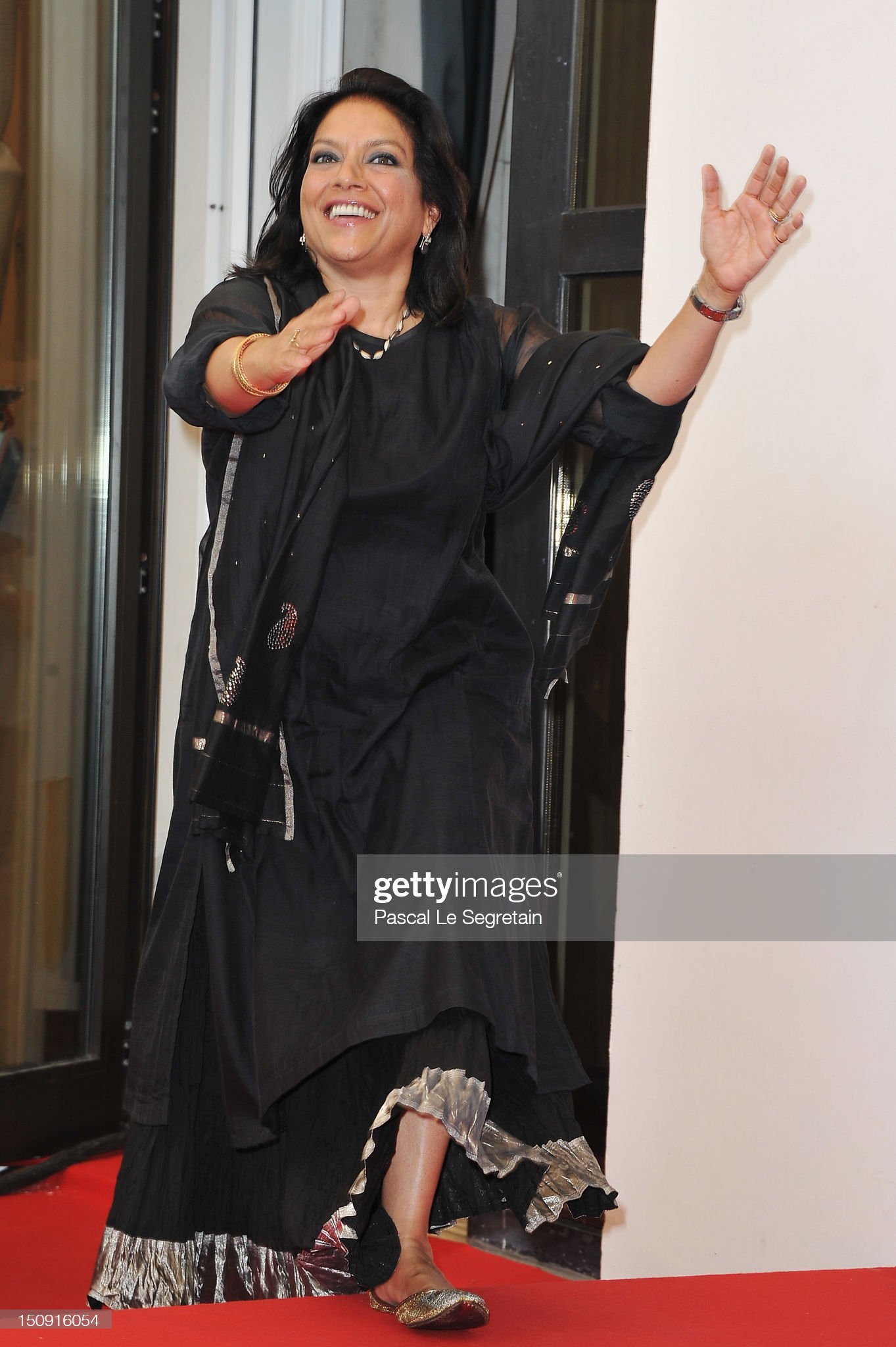
Mira Nair, Riz Ahmed e Kate Hudson - Venezia, 2012

Venezia, 2012


Venezia, 2012

Venezia, 2012

Shekhar Kapur - Venezia, 2012

Shekhar Kapur, Isabella Ferrari e Ali Aydin

20 luglio 2012

Mumbai Film Festival 2012

La 14esima edizione del Mumbai Film Festival si svolgerà dal 18 al 25 ottobre 2012. È prevista una sezione Celebration of Italian Cinema, organizzata da Asiatica Film Mediale sotto l'egida dell'ambasciata italiana in India e con il contributo del regista Italo Spinelli. In cartellone 30 titoli italiani - fra cui alcuni in edizione restaurata - distribuiti dal 1913 ad oggi.

19 luglio 2012

Nitin Sawhney: The lodger

Se siete a Londra in vacanza, vi suggerisco un evento di sicuro interesse: il 21 luglio 2012 al Barbican verrà proiettata in prima mondiale l'edizione restaurata de Il pensionante (The lodger), film muto del 1927 diretto da Alfred Hitchcock. Per l'occasione, il talentuoso musicista Nitin Sawhney ha sfornato una colonna sonora nuova di zecca, che verrà eseguita dal vivo dalla London Symphony Orchestra. Nitin ha composto le colonne sonore di diverse pellicole, fra cui Split wide openIl destino nel nome - The namesake e I figli della mezzanotte. Fra gli album, vi consiglio lo splendido Prophesy del 2001 (un assaggio da leccarsi anche le dita dei piedi: Moonrise).

17 luglio 2012

Numero Unos - A survey of the top hit films: 1980s

Vi segnalo l'articolo Numero Unos - A survey of the top hit films: 1980s, di Rajiv Vijayakar, pubblicato ieri da Bollywood Hungama: 

'The Top Guns
It was a toss between 1985's Ram Teri Ganga Maili and 1989's Maine Pyar Kiya as ten topmost grossers of the entire decade. The ten Numero Uno hits were:
1980 - Qurbani, directed by Feroz Khan - an action drama that was also a love triangle
1981 - Ek Duuje Ke Liye (K. Balachander) - a love story
1982 - Vidhaata (Subhash Ghai) - a crime drama inspired by Godfather
1983 - Hero (Subhash Ghai) - a love story against the backdrop of crime
1984 - Aaj Ki Awaz (Ravi Chopra) - a political thriller
1985 - Ram Teri Ganga Maili (Raj Kapoor) - a love triangle that was a social comment as well as an allegory
1986 - Nagina (Harmesh Malhotra) - a supernatural drama (...)
1987 - Hukumat (Anil Sharma) - an anti-terrorist thriller
1988 - Tezaab (N. Chandra) - also a love story against the backdrop of crime and
1989 - Maine Pyar Kiya (Sooraj Barjatya) - a musical love story

A decade of change
The '80s was a decade of change; generally perceived as shifts of a retrograde nature, though that is not completely fair. The exit or fading of giant singers (including Mohammed Rafi and Kishore Kumar who passed away at their peaks), many of the lyricists and most of the legendary composers ganged up with factors like extreme social degeneration, political shenanigans in the country resulting in major angst and frustration along with an increase in violence and insurgency in many parts of the country. Significantly, while the love story Ek Duuje Ke Liye ended with violence and tragedy, Qurbani, Hero, Nagina and Tezaab were all romances against the backdrop of crime!
The third angle of this lethal triangle was the emergence of revolutionary new technology whose flipside became more dominant - like video piracy, audio piracy and the use of stereophonic sound to inculcate alien musical trends like disco, frenetic beats and a certain disregard for lyrics. Legal and illegal watching of films at home saw movie producers catering to the lowest common denominator of audience that could not afford to buy video players and formed the majority of the reduced theatre-going audience. And the anger towards the system resulted in violence-studded political thrillers galore.
Terrorism too reared its ugly head in certain states, adding to increased on-screen violence reflected in the first three anti-terrorist dramas - Karma, which missed the 1986 top slot because of its huge budget vis-à-vis Nagina, Mr. India (made with a comic-book tenor) and Hukumat (which actually topped 1987's films!). In fact, the '80s go down in history as the decade when four adult-certified films topped the years, whether because of sex (Ram Teri Ganga Maili), violence (Aaj Ki Awaz, Hukumat) or the supernatural element (Nagina)! Adult films automatically curtail a big chunk of viewers, but this was really an amazing and mysterious paradox!

Top names
It is a tangy coincidence indeed that Raj Kapoor's swan song Ram Teri Ganga Maili vied for top slot with Sooraj Barjatya's debut film Maine Pyar Kiya, which was almost a rehash of Kapoor's Bobby, the biggest hit of 1973. Maine Pyar Kiya, however, had its share of triumphs. (...) It was the first solo lead of Salman Khan, the man who was to become Numero Uno 20 years after his superstardom began with this film! Maine Pyar Kiya also completed the process of the return to the movie halls of up market audiences. This had begun with 1988's biggest hits Tezaab and Qayamat Se Qayamat Tak and was consolidated before Maine Pyar Kiya in 1989 by Ram Lakhan, Tridev and Chandni, the other top hits of the year. In fact, Subhash Ghai's Ram Lakhan lost the Numero Uno slot just two weeks before the year ended because of the release of this Barjatya whopper! (...)

Shifts in tastes and trends
Qurbani proved categorically that the audience was now open to fresh areas in cinema. It had the first combo of an NRI composer - Biddu - and Pakistani pop crooner based in London - Nazia Hassan stepping in for a specialized song - Indian cinema's first modern club number 'Aap Jaisa Koi'. This 'trend' of musical infiltration is endemic in today's times, but unlike today's tunesmiths, Kalyanji-Anandji matched the 'outside' chartbuster with four of their own, including another club song with even greater staying power, 'Laila Ho Laila'. (...) Choreography too saw a mix of traditional and new styles and a new generation of stars came in with an influx of star-sons. Kamal Haasan, (...) Sanjay Dutt, (...) Jackie Shroff, (...) Sridevi, Madhuri Dixit, Anil Kapoor, (...) and Salman Khan featured in the top hits. (...) Aamir Khan and Juhi Chawla narrowly missed the bus when their QSQT came in second to Tezaab in 1988. (...)

'Vital' statistics
Subhash Ghai was the only director to have two Numero Uno toppers (Vidhaata and Hero in consecutive roles) in this decade, narrowly missing a third film (Ram Lakhan). Both his films had Shammi Kapoor and Sanjeev Kumar as character artistes, and Shammi, with his role in Hukumat, actually had the highest score among all male artistes - three films! (...) But the stage, as indicated by Tezaab and especially Maine Pyar Kiya, was set for a sweeping change in the '90s'.

Vedi anche Numero Unos - A survey of the top hit films: 1950s. Il testo raccoglie i link a tutti gli articoli della serie.